All Categories
Featured


Ways to Halt Salary Levies in 2026
Table of Contents
After receiving a federal wage garnishment notification, you can ask for a challenge hearing through the Department of Education's collection system. The demand needs to reveal that the garnishment avoids you from covering standard living expenses. If approved, garnishment might be decreased or temporarily paused, but the loan remains in default.
Beginning the week of January 7, 2026, the U.S. Department of Education (ED) plans to begin garnishing earnings from student loan customers in default. This will be the very first time that customers in default go through losing their pay over student loans considering that the COVID-19 pandemicapproximately five years., "At a time when families across the country are dealing with stagnant earnings and a price crisis, this Administration's decision to garnish salaries from defaulted trainee loan customers is terrible, unneeded, and careless.
"As we simply saw, there are still almost a million unprocessed Income-Driven Payment applications, and this Administration has actually confessed to denying en masse customers who used and asked for the U.S. Department of Education's assistance in accessing the most inexpensive payment alternative. "Lastly, during the last Trump Administration, hundreds of thousands had their wages poorly taken at the peak of the pandemic due to the fact that the U.S
Steps for Filing for Bankruptcy During 2026
It is reckless to switch on a financial obligation collection tool that the Administration can not switch off." If debtors do not know if their loan is in default and will go through garnishment, they can go to the Federal Trainee Aid site. Debtors who are not yet in default can look into Income-Driven Payment options to avoid default.
Debtors who receive a notification from ED in January can ask for a hearing to object on the grounds that the garnishment would lead to monetary hardship and ask to lower the amount garnished. Debtors need to likewise inspect if they are qualified for discharge. If customers are having problem discovering information, they can reach out to their Members of Congress and request casework aid.
(formerly Student Customer Security Center) is a nonprofit organization led by a team of specialists, legal representatives, and supporters fighting to build an economy where debt does not restrict opportunity. We examine financial abuses, take predatory business to court, and push for policies to safeguard working people from financial obligation traps. We intend to deliver immediate relief to households while constructing power, driving systemic modification, and battling for racial and financial justice.
Key Facts About Bankruptcy in 2026
The U.S. Department of Education (ED) will resume wage garnishment for trainee loan debtors in default beginning this month-- January 2026. If you receive a notice of wage garnishment, you have rights and alternatives to safeguard your income and return on track. You can learn more on ED's website and by viewing a virtual webinar from the DC Student Loan Ombudsman here.
Picking Chapter 7 for Maximum 2026 NeedsYou will get a 30-day notice before garnishment starts. Update your contact information with ED and your loan servicer to prevent missing vital notices. your servicer for confirmation. Keep in mind that some DC debtors report incorrect delinquency/default statuses. Always confirm by phone or contact DISB for assistance. if possible.
at gov/idr or by contacting your servicer. Go into a written agreement and make 9 on-time payments. Act quickly. Rehab should start before garnishment begins. Combine defaulted loans into a brand-new Direct Debt consolidation Loan. Note: this may impact PSLF and IDR forgiveness progress. Within one month of notification, you can object if garnishment triggers financial difficulty or ask to lower the amount.
Choosing the Ideal 2026 Debt StrategyDistrict of Columbia law mentions that you have right to precise, prompt and total information from your student loan servicers. Servicers should respond to written queries within 30 days and can not provide incorrect credit information.
The Guide to 2026 Debt Relief and Bankruptcy
If you have issues concerning your student loans, you can file a grievance here or you can connect to the DISB Trainee Loan Ombudsman at 202.727.8000 or [e-mail safeguarded].
You might be able to challenge the trainee loan wage garnishment. The earlier you address a student loan wage garnishment, the more likely you will be successful in minimizing or stopping the garnishment.
Garnishment can't happen unless you are in default on your student loans. Garnishment can't happen unless you are in default on your trainee loans.

Latest Posts

Key Strategies for Bankruptcy
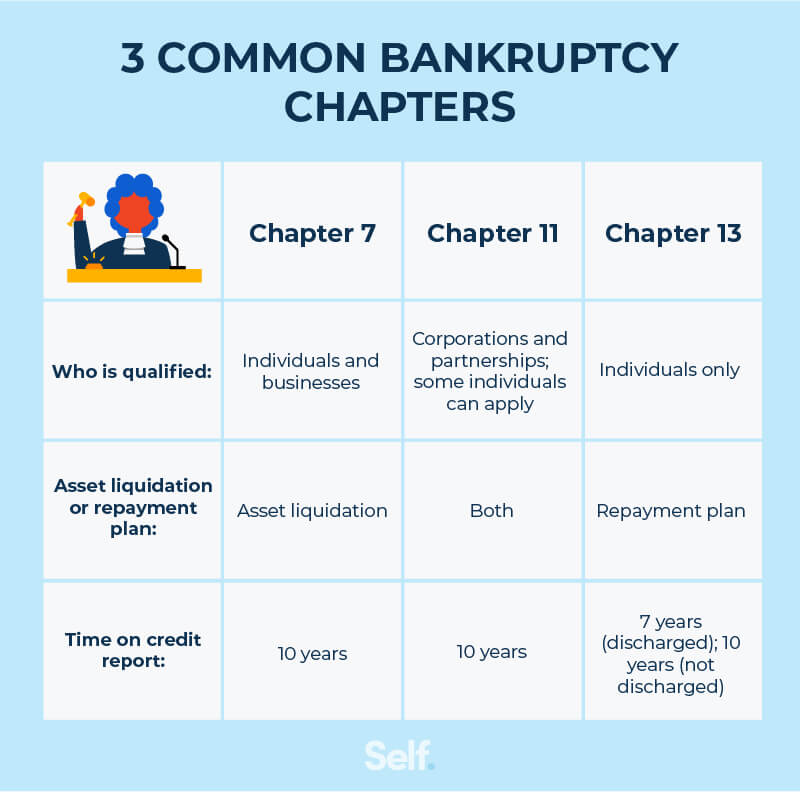
Financial Support for 2026 Chapter 13 Filers
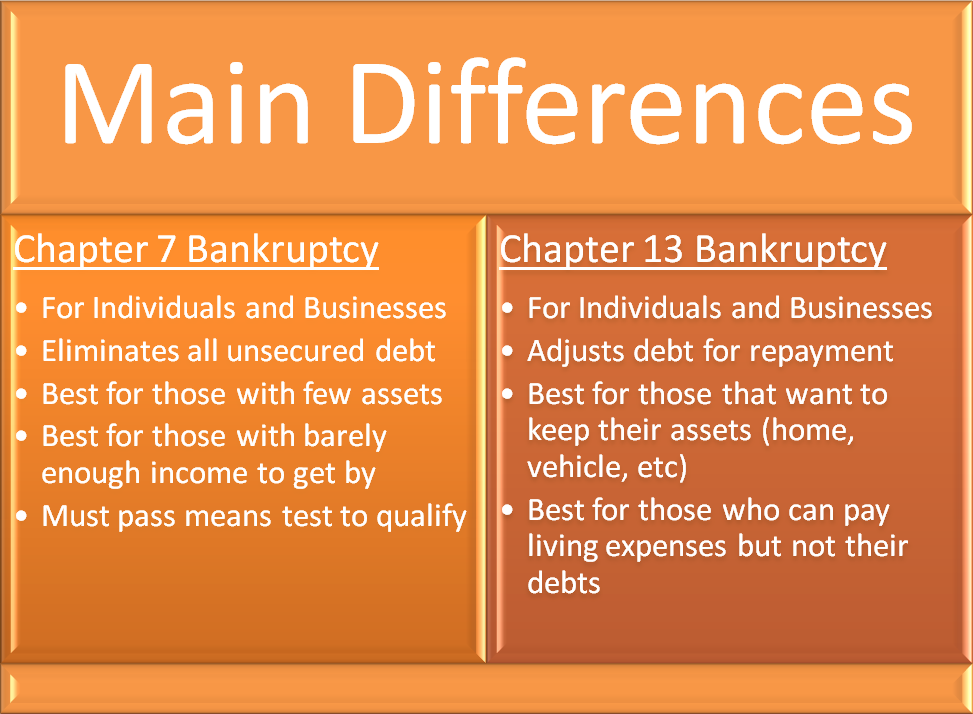
Understanding Bankruptcy Costs in 2026