All Categories
Featured

Valuable Tips for Bankruptcy in 2026
Table of Contents
An executory agreement is one where both sides still have significant obligations delegated carry out. In other words, neither party has actually completely finished what they concurred to do. Typical examples of executory contracts in a service context include: Equipment rents Supply and vendor agreements Service contracts Software application licenses Commercial realty leases These are the kinds of arrangements that often become crucial when an organization files for insolvency.
365, when a service files for personal bankruptcy, it gains the right to either assume or reject its executory contracts. That decision has significant repercussions for everyone included. Assuming a contract means business accepts continue following it going forward. Declining an agreement means business walks away from it.
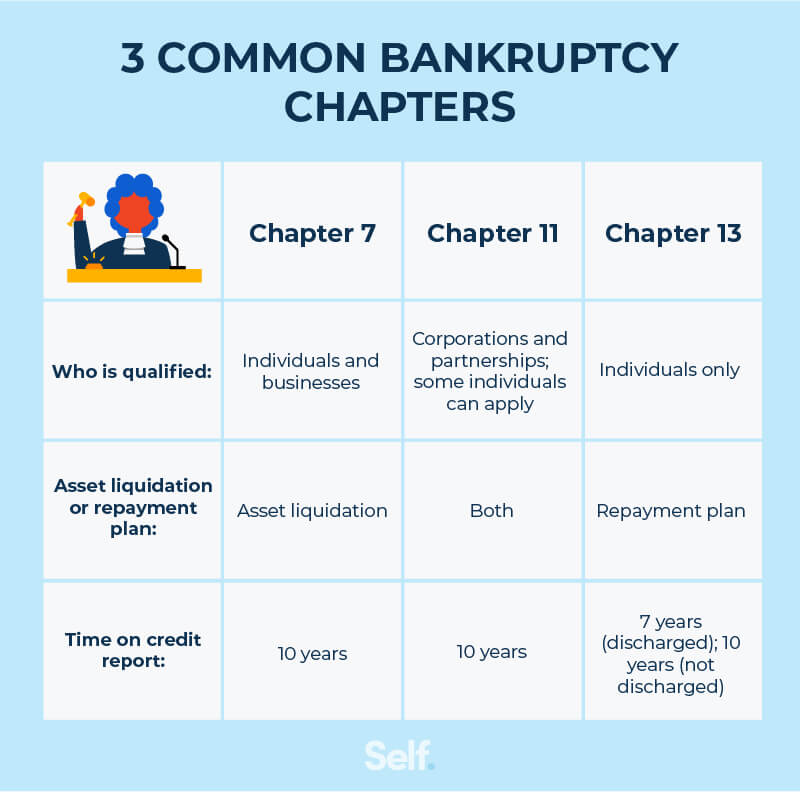
The other party to the contract does not get to choose whether the contract is presumed or turned down. Their rights depend entirely on which path the debtor takes. Chapter 11 is a reorganization bankruptcy. The goal is to keep the service alive while reorganizing its debts. That is why there is far more flexibility in how contracts are treated in Chapter 11 than in a liquidation.
Under 11 U.S.C. 365, the decision can typically be made at any point before the court confirms the reorganization plan. The other celebration to the contract can ask the court to set a due date if the unpredictability is triggering them harm. If the business chooses to presume an agreement in Chapter 11, it should do so completely.
365(b), this implies treating any missed out on payments or defaults, compensating the other celebration for any losses triggered by those defaults, and offering sufficient guarantee that it can perform going forward. Business can not decide on the parts of a contract it likes while declining the rest. Chapter 7 is a liquidation insolvency.
Analyzing Bankruptcy Lawyer Fees in 2026
A trustee is appointed to sell assets and pay creditors. In this scenario, contracts are managed very in a different way. Under 11 U.S.C. 365(d)( 1 ), in a Chapter 7 case, the trustee has 60 days from the date of submitting to decide whether to assume an executory contract. If the trustee does not assume the contract within that window, it is instantly considered declined.
When an agreement is declined in Chapter 7, the other party is again left with a basic unsecured claim against the insolvency estate. In a liquidation, those claims are frequently paid extremely little or absolutely nothing at all, depending upon how much is left after protected creditors are paid. Lots of company agreements contain provisions that say the contract instantly ends or can be terminated if one party apply for insolvency.
Under 11 U.S.C. 365(e), ipso facto stipulations are usually not enforceable in personal bankruptcy. An agreement can not simply be ended simply due to the fact that an insolvency was filed.
Attorney Vicky Fealy is Board-Certified in Consumer Insolvency Law by The Texas Board of Legal Specialization. She has actually assisted thousands of individuals and services with debt relief, and she is all set to direct you through every action. Contact us to arrange a free consultation with our Galveston, TX insolvency attorney today.
(Short Article Updated Jan. 6 and 8, 2026) This article notes federal and state customer law changes set up to go into result or end throughout the period from December 1, 2025, through January 1, 2027. Other customer law modifications will be enacted in 2026 and will enter into impact in 2026; this article notes modifications whose effective dates have actually currently been arranged as of December 31, 2025.
Assessing the Risks and Benefits of 2026 Filings
NCLC encourages readers to submit (to) extra consumer law modifications efficient in 2026, specifically modifications in state consumer legislation. NCLC will add proper submissions to this short article. Crucial changes to Personal bankruptcy Rule 3002.1 and 6 associated new insolvency kinds went into effect on December 1, 2025. The modifications protect property owners who utilize chapter 13 insolvencies to ward off foreclosures and keep themselves existing on their home mortgages, providing info needed to successfully finish a cure plan and emerge from chapter 13 without surprise, undisclosed charges, or payment amounts due.
New Guideline 8006(g) will clarify that any party to an appeal might file a request that a court of appeals authorize a direct appeal. 26 U.S.C. 108(a) provides that specific forgiveness on a home mortgage loan is ruled out earnings for earnings tax purposes, but the Qualified Principal House Indebtedness Exemption from Earnings ended at the end of 2025.

Latest Posts

Key Strategies for Bankruptcy
Financial Support for 2026 Chapter 13 Filers
Understanding Bankruptcy Costs in 2026