All Categories
Featured

The Ultimate Guide to Housing After Bankruptcy Counseling
Table of Contents
- – Understanding the 2026 Bankruptcy Environment ...
- – Misinterpreting the 2026 Means Test Requirements
- – Mistakes with Deductible Expenses
- – Failure to Disclose Digital Assets and Cryptoc...
- – Preferential Payments and Property Transfers
- – Incurring New Debt Before Filing
- – Choosing the Wrong Bankruptcy Chapter
- – Neglecting the Credit Counseling and Debtor Ed...
- – Inaccurate or Incomplete Financial Documentation
- – Ignoring the Automatic Stay Provisions
- – The Importance of Timing in 2026

Understanding the 2026 Bankruptcy Environment in California
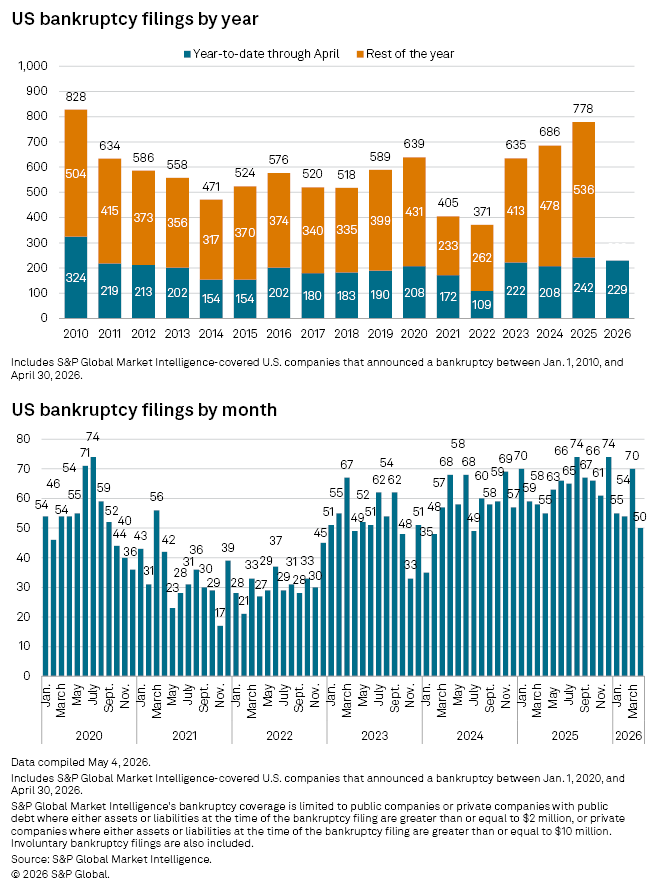
Economic conditions in 2026 have pushed many individuals to consider legal debt relief. High interest rates on consumer credit and shifting housing costs have made the protections of the bankruptcy court a necessity for some. However, the legal system in 2026 is unforgiving when it comes to procedural errors or lack of transparency. Filing for Chapter 7 or Chapter 13 is a significant legal event that requires meticulous attention to detail. Errors made during the initial filing can lead to a case being dismissed without a discharge, leaving the individual still liable for their debts while also losing the ability to file again for a specific period.
The 2026 bankruptcy rules place a heavy emphasis on the accuracy of financial disclosures. Trustees are now using more advanced tools to cross-reference filings with digital financial footprints. This makes it harder than ever to overlook assets or income sources without facing serious legal consequences. Understanding the specific pitfalls associated with Bankruptcy Counseling in California is the first step toward a successful discharge of debt.
Misinterpreting the 2026 Means Test Requirements
The Means Test remains the primary gatekeeper for Chapter 7 bankruptcy. This test determines whether an individual's income is low enough to qualify for a liquidation of debts or if they must instead file for Chapter 13 and enter a three to five-year repayment plan. A common mistake in 2026 is using outdated income standards. The IRS adjusts the median income levels and allowable expense deductions regularly, and using figures from previous years can lead to an automatic presumption of abuse by the court.
Individuals often fail to account for all sources of income when calculating their average monthly earnings over the six months preceding the filing. This includes side hustles, gig economy earnings, and even financial assistance from family members. Securing Personal Guarantees requires a clear understanding of the 2026 forms. If the calculated income is even slightly above the median for a household of a specific size in California, the filer must complete the second half of the Means Test to prove that their necessary expenses leave them with no disposable income.
Mistakes with Deductible Expenses
The 2026 standards for deductible expenses are strict. Filers often try to include luxury expenses or high-cost memberships that the court does not recognize as "necessary." On the other hand, some people fail to include legitimate expenses like mandatory retirement contributions or specific health-related costs, which could have helped them pass the test. Accuracy here is vital because the trustee will scrutinize bank statements to ensure the listed expenses match reality.
Failure to Disclose Digital Assets and Cryptocurrency
One of the most frequent errors in 2026 involves the non-disclosure of digital assets. Bankruptcy trustees are now specifically trained to look for cryptocurrency holdings, NFTs, and even high-value digital storefronts or social media accounts that generate revenue. Some filers mistakenly believe that because these assets are not held in a traditional bank, they do not need to be reported. This is a dangerous assumption.
Concealing digital assets is considered bankruptcy fraud. In 2026, the court has the authority to hire digital forensic experts to track transactions and wallet addresses. If a trustee discovers an undisclosed wallet, they can move to deny the entire discharge and may even refer the case for criminal prosecution. Every asset, regardless of its physical or digital nature, must be listed on the schedules with an accurate valuation as of the filing date.
Preferential Payments and Property Transfers
Many people feel a moral obligation to pay back friends or family members before they file for bankruptcy. In the months leading up to a 2026 filing, an individual might pay off a personal loan from a parent or transfer a car title to a child to "protect" the asset. These are known as preferential transfers and fraudulent transfers, respectively. The bankruptcy code allows trustees to "claw back" these payments or assets to distribute the value fairly among all creditors.
If you pay a relative more than $600 within one year before filing, the trustee can sue that relative to get the money back. Similarly, selling property for less than its fair market value shortly before filing will raise red flags. Pre-Filing Chapter 7 Counseling serves as a primary option for those facing liquidation, but it cannot be used to hide wealth. It is far better to disclose the asset and use available exemptions to protect it than to risk losing it and facing fraud charges by trying to hide it.
Incurring New Debt Before Filing
A common pitfall in the 2026 economic environment is the "loading up" of credit cards just before a bankruptcy petition is submitted. Some individuals believe they can buy electronics, furniture, or take a vacation on credit and then simply wipe the debt away a few weeks later. The bankruptcy code has specific presumptions regarding luxury goods and cash advances taken shortly before filing. In 2026, any luxury purchase over $800 made within 90 days of filing is presumed to be non-dischargeable.
Creditors monitor these patterns closely. If a credit card company sees a sudden spike in spending or a large cash withdrawal just before a filing, they will likely file an adversary proceeding. This is a separate lawsuit within the bankruptcy case where the creditor asks the judge to keep that specific debt active despite the bankruptcy. This can lead to a situation where the filer completes the bankruptcy process but still owes thousands of dollars to a specific lender.
Choosing the Wrong Bankruptcy Chapter
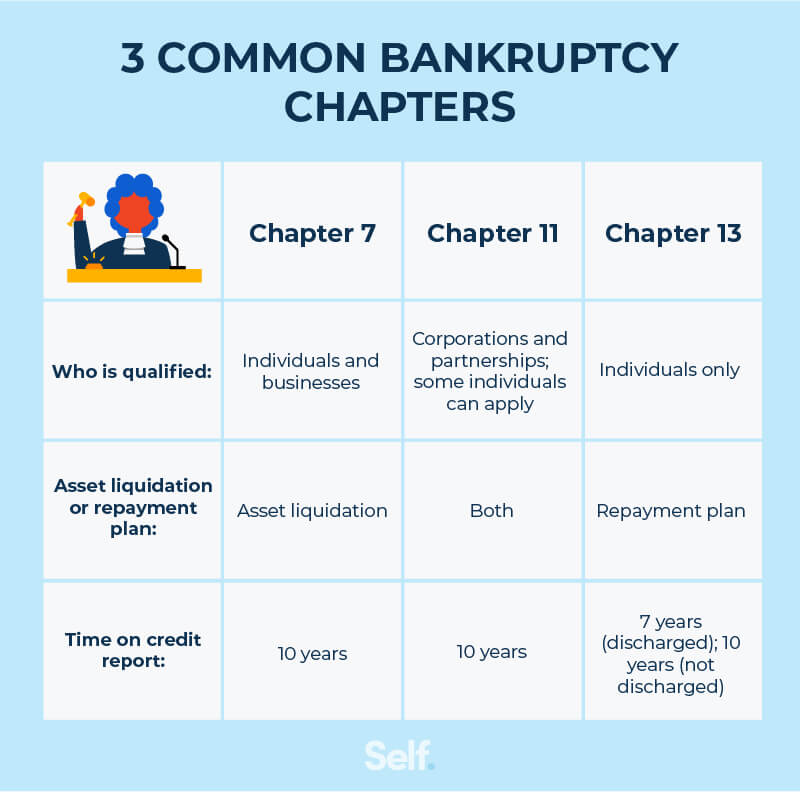
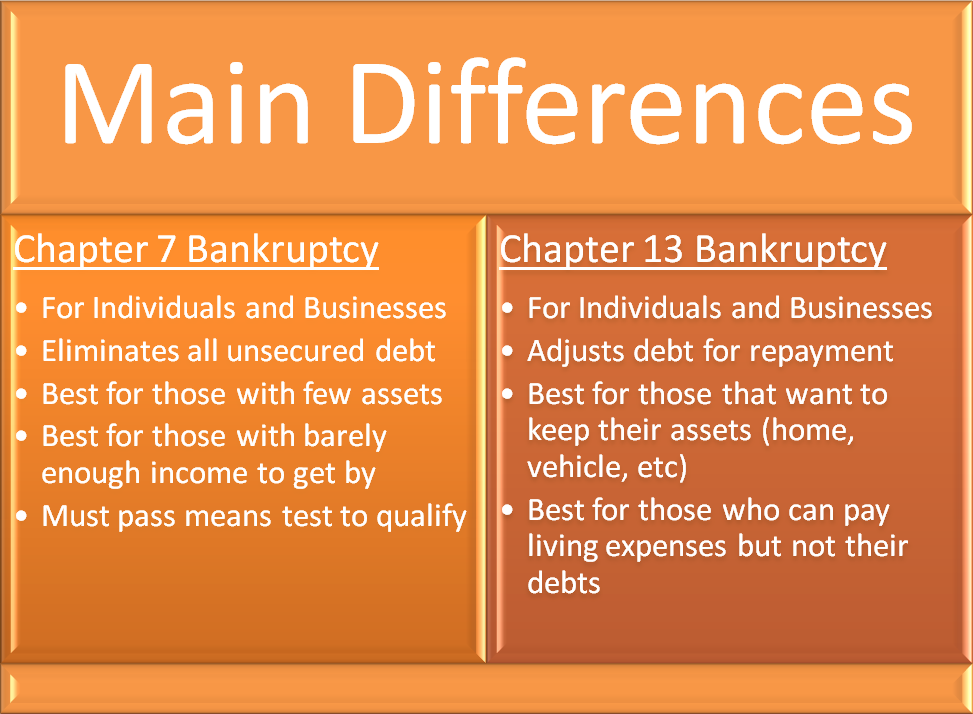
Deciding between Chapter 7 and Chapter 13 is a decision that depends on assets, income, and the types of debt involved. A mistake often seen in California is filing for Chapter 7 when Chapter 13 would have saved a home from foreclosure. While Chapter 7 is faster and wipes out most unsecured debt, it does not provide a mechanism to catch up on missed mortgage or car payments. If the goal is to keep a house that has significant equity, Chapter 13 is often the more appropriate path because it allows for a repayment plan that addresses arrears over time.

Conversely, some people file for Chapter 13 when they have very little disposable income, leading to a failed plan. In 2026, the success rate of Chapter 13 plans depends heavily on a realistic budget. If the plan is too aggressive, the filer will likely default, resulting in a dismissal of the case. Local residents often find that looking for Debt Forgiveness for Qualifying Individuals is the first step toward long-term solvency, but only if they choose the chapter that aligns with their financial reality.
Neglecting the Credit Counseling and Debtor Education Requirements
The law requires two separate educational components: a credit counseling course before filing and a debtor education course after filing but before the discharge is granted. A surprising number of cases in 2026 are dismissed because the filer simply forgot to complete these courses or failed to file the certificates of completion with the court. These courses must be taken from agencies approved by the U.S. Trustee Program.
Without the first certificate, the court cannot even accept the bankruptcy petition. Without the second certificate, the court will close the case without a discharge, meaning the debts are still legally owed. Reopening a case to file a certificate requires an additional fee and a formal motion, which adds unnecessary cost and stress to an already difficult process.
Inaccurate or Incomplete Financial Documentation
The bankruptcy petition is a voluminous set of documents that requires listing every single creditor, every source of income, every asset, and a detailed history of financial transactions. Errors in these documents, even if unintentional, can be perceived as an attempt to mislead the court. In 2026, trustees are particularly focused on the "Statement of Financial Affairs," which asks about closed bank accounts, previous addresses, and past business interests.
Forgetting to list a creditor is a major issue. If a creditor is not listed, they do not receive notice of the filing, and their debt may not be discharged. This is especially problematic with medical bills or old utility debts that may have been sold to collection agencies. Using a credit report is a good start, but it is not a substitute for a thorough review of all personal records. Every debt, no matter how small or how old, must be included in the filing.
Ignoring the Automatic Stay Provisions
One of the most significant benefits of filing for bankruptcy is the automatic stay, which halts all collection activities, including lawsuits, wage garnishments, and harassing phone calls. However, there are exceptions. If a person has filed for bankruptcy multiple times in the previous year, the stay might be limited to 30 days or may not take effect at all. Filers in 2026 often misunderstand the limits of the stay, especially regarding child support, alimony, or criminal proceedings, none of which are stopped by a bankruptcy filing.
The Importance of Timing in 2026
The timing of a bankruptcy filing can change the entire outcome of the case. For example, if someone is expecting a large tax refund or a work bonus, it may be beneficial to wait until that money has been received and spent on necessary living expenses before filing. Otherwise, the trustee may seize the refund or bonus as an asset of the bankruptcy estate. Similarly, if an individual's income has recently dropped, waiting a few months might help them pass the Means Test for a Chapter 7 filing.
In California, seasonal income fluctuations are common. Filing at the wrong time can result in a higher average income calculation, potentially forcing someone into a Chapter 13 plan they cannot afford. Professional analysis of the six-month look-back period is essential to ensure the filing occurs at the most advantageous moment.
Avoiding these common mistakes requires a disciplined approach to financial record-keeping and a deep understanding of the 2026 Bankruptcy Code. While the process is designed to provide a fresh start, it is also a rigorous legal proceeding that demands total honesty and precision. By being aware of these pitfalls, individuals can navigate the system more effectively and move toward a more stable financial future.

Table of Contents
- – Understanding the 2026 Bankruptcy Environment ...
- – Misinterpreting the 2026 Means Test Requirements
- – Mistakes with Deductible Expenses
- – Failure to Disclose Digital Assets and Cryptoc...
- – Preferential Payments and Property Transfers
- – Incurring New Debt Before Filing
- – Choosing the Wrong Bankruptcy Chapter
- – Neglecting the Credit Counseling and Debtor Ed...
- – Inaccurate or Incomplete Financial Documentation
- – Ignoring the Automatic Stay Provisions
- – The Importance of Timing in 2026
Latest Posts

Key Strategies for Bankruptcy
Financial Support for 2026 Chapter 13 Filers
Understanding Bankruptcy Costs in 2026
Latest Posts
Key Strategies for Bankruptcy
Financial Support for 2026 Chapter 13 Filers
Understanding Bankruptcy Costs in 2026