All Categories
Featured


Long-Term Consequences of Filing Bankruptcy
Table of Contents
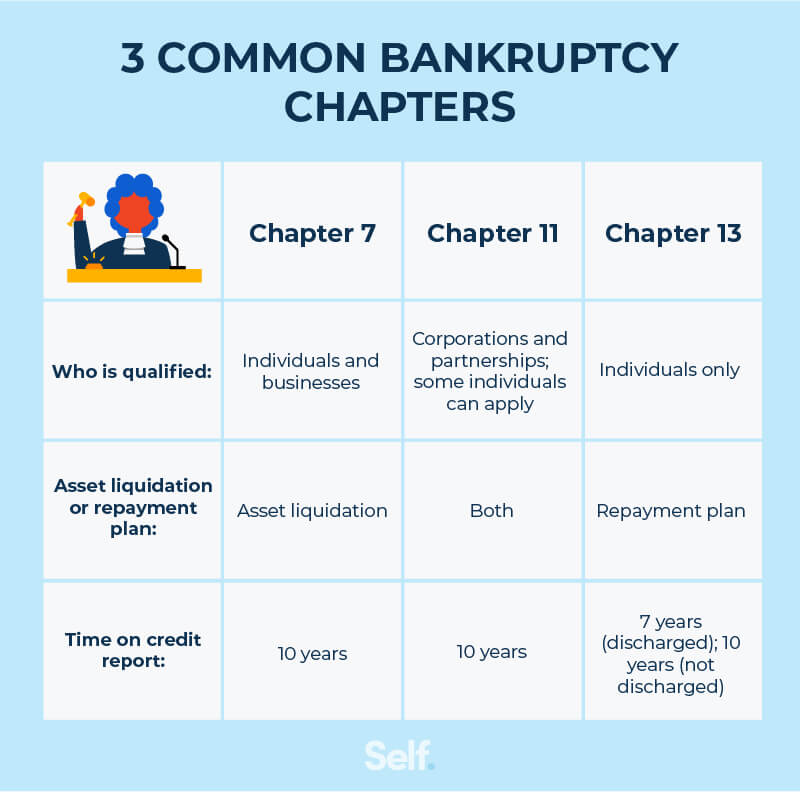
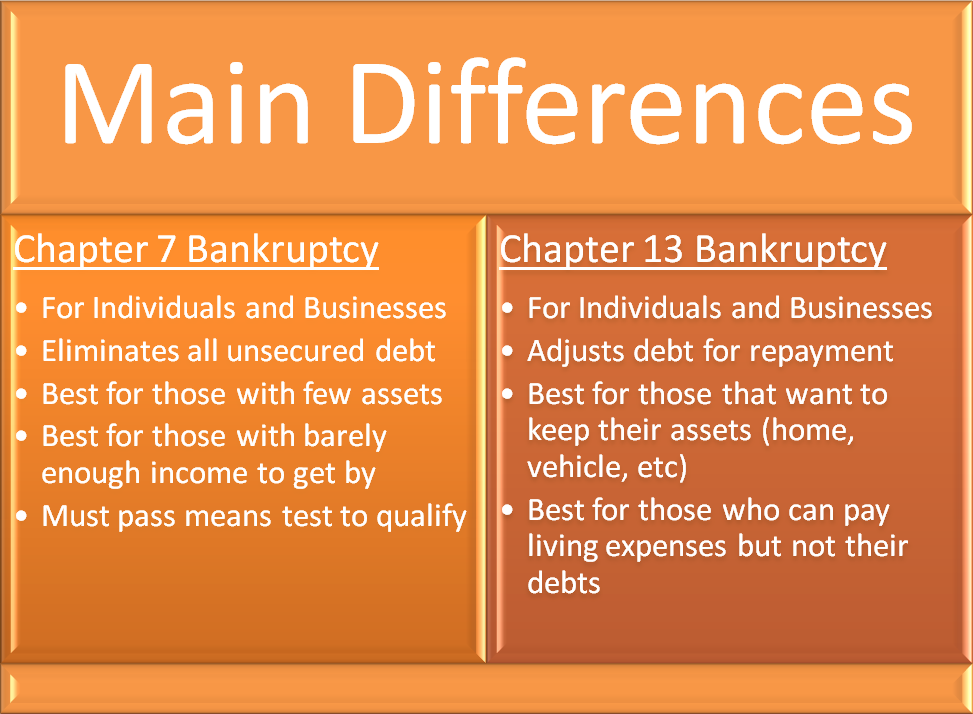
A Michigan occupant with heavy charge card and medical debt, current on all secured debts, and with couple of properties, often gets the most benefit from a tidy Chapter 7 discharge. On the other hand, a property owner who is a number of months behind on a home mortgage but wants to remain in your home might count on Chapter 13 to spread out the catch-up payments and stop a foreclosure.
Is Liquidation Best for 2026 Debts?A family renting in Grand Rapids, with 2 vehicle loan that are current and a big stack of charge card and medical debt from a local healthcare facility system, might find Chapter 7 provides quick relief with little asset danger if exemptions cover their modest residential or commercial property. A house owner outside Detroit who has equity above the readily available homestead exemption and lags on the mortgage might be better served by Chapter 13, which allows them to safeguard the extra equity and remedy arrears over a number of years.
Hensel Law Workplace, PLLC routinely constructs these side-by-side comparisons with real numbers so you can see which path fits your goals and constraints. Misunderstandings about bankruptcy keep lots of people from even exploring their choices. One of the most widespread myths is that Chapter 7 always means losing your home or car.
How to Filing for Chapter 7 in 2026
The danger occurs when equity exceeds what exemptions cover, or when payments are already far behind. That is why a mindful appearance at equity and exemptions is vital before choosing Chapter 7. On the other side, individuals frequently think that Chapter 13 indicates paying every financial obligation completely, which can make it sound pointless compared to Chapter 7.
The strategy needs to still fulfill legal tests, specifically for protected and top priority financial obligations, but it is not merely a five-year payment strategy for the total of every bill. Another typical belief is that you can just pick whichever chapter you prefer. In reality, the law puts guardrails around that option.
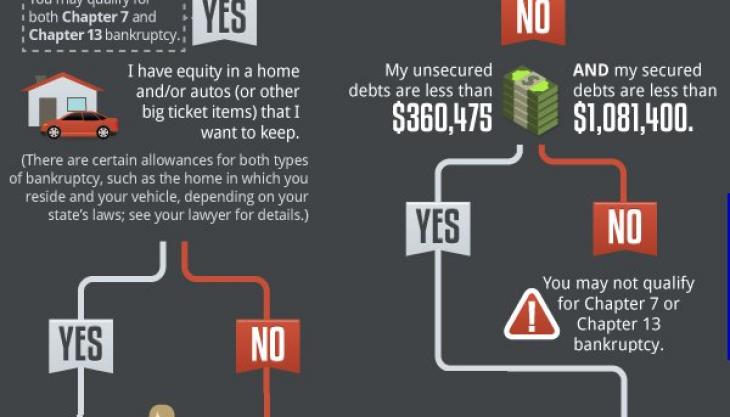
Financial obligation limits, earnings stability, and realistic budgeting limit access to Chapter 13. Some Michigan filers are technically eligible for both, but their assets, arrears, or nondischargeable debts make one chapter clearly more practical. An additional trap is assuming that any Chapter 13 strategy that looks excellent on paper will succeed.
Drawing on experience with Michigan trustees, Hensel Law Office, PLLC assists customers prevent those risks by challenging impractical assumptions early and suggesting the chapter that they can really execute to discharge. As soon as you have a basic sense of how Chapter 7 and Chapter 13 compare in Michigan, the next step is getting specific.
Protecting Income From 2026 Garnishment
You will be able to see, for example, whether your home equity is fully protected, how much a realistic Chapter 13 payment may be, and which financial obligations would survive in either chapter. This grounded contrast is far more trustworthy than online calculators or nationwide short articles that do not represent Michigan-specific rules.
It is a method to understand your real options and the likely timeline before garnishments, suits, or foreclosure move further. Hensel Law Office, PLLC uses a structured intake process that strolls you through the essential documents and questions so nothing essential is missed. That preparation assists prevent surprises that could hinder a Chapter 13 plan or develop asset issues in Chapter 7, and it puts you in a position to make a clear, confident choice.
How to Navigate a 2026 Bankruptcy FilingIt has to do with matching the law to your income, properties, and debts so you can secure what matters most and progress. When you comprehend how exemptions secure your home, how each chapter treats your particular financial obligations, and what life appears like throughout a case, personal bankruptcy ends up being a structured tool rather than a secret.
After you gather your standard financial details, contact Hensel Law Office, PLLC at ( 888) 258-0651to evaluate your circumstance and see how each chapter would actually play out for you under Michigan law. You do not need to guess which choice is right.
Stop Wage Garnishment Through 2026 Bankruptcy
Chapter 7 personal bankruptcy is a procedure to have actually the debt discharged while preserving your home and other properties by making the most of California bankruptcy exemptions. Since the bankruptcy court conducts all meetings on Zoom, you will not have to appear personally. There is no minimum quantity of debt required to submit Chapter 7 bankruptcy.

Latest Posts

Key Strategies for Bankruptcy
Financial Support for 2026 Chapter 13 Filers
Understanding Bankruptcy Costs in 2026