All Categories
Featured

Long-Term Consequences of Declaring Bankruptcy in 2026
Table of Contents
Disposable incomes is specified as the amount of incomes left after federal, state, and regional tax deductions and any other lawfully needed reductions (e.g., compulsory retirement withholdings). Say a worker's non reusable earnings are $2,000. You can only garnish up to $300 ($2,000 X 0.15) per pay period for student loan withholding.
No. Under Title III of the Customer Credit Protection Act (CCPA), you can not discharge a staff member whose earnings undergo garnishment However, the CCPA does not safeguard workers whose incomes go through two or more garnishments. You should begin garnishing an employee's salaries when you get a student loan garnishment order.
Stop withholding if you receive a main notification. You can quickly establish a wage garnishment in Patriot's payroll software application. You are accountable for remitting garnishments to the proper companies. You can learn how to set up a wage garnishment here.
Ways to End Salary Levies in 2026
The U.S. Department of Education (the Department) today announced that it will delay the implementation of uncontrolled collections on federal trainee loans, including Administrative Wage Garnishment (AWG) and the Treasury Offset Program (TOP). The short-lived delay will allow the Department to implement major trainee loan repayment reforms under the Working Households Tax Cuts Act (the Act) to give borrowers more options to repay their loans.
The Act lowers the variety of federal student loan repayment strategies, eliminating a confusing maze of alternatives and making it much easier for borrowers to choose either a single standard repayment plan or income-driven repayment (IDR) strategy that finest meets their requirements. This consists of a brand-new IDR strategy that waives unpaid interest for borrowers with on-time payments whose payments do not fully cover accumulated interest, and that includes little matching payments from the Department in particular circumstances to ensure that exceptional principal is minimized every month.
The delay in collections will provide defaulted debtors additional time to evaluate these new repayment alternatives once they consolidate their loans or complete a payment or rehabilitation arrangement. The Act also provides debtors a 2nd chance to restore a defaulted loan, permitting them to get their payments back on track and get the loan out of default.
The hold-up in collections will offer defaulted customers extra time to begin the rehabilitation procedure, consisting of the ability to rehabilitate their loan a second time.
The Trump administration will resume garnishing incomes from trainee loan borrowers in default in early 2026, the U.S. Education Department verified to NPR. The relocation comes after a years-long pause in wage garnishment due to the pandemic. "We anticipate the very first notifications to be sent to approximately 1,000 defaulted debtors the week of January 7," a department representative told NPR.
Is Chapter 13 the Ultimate Tool for Virginia Debtors?How to End Wage Garnishment in 2026
A customer remains in default when they have not made loan payments in more than 270 days. As soon as that happens, the federal government can try to collect on the debt by taking tax refunds and Social Security advantages, and also by ordering an employer to keep as much as 15% of a customer's pay.
Betsy Mayotte, the president and creator of The Institute of Trainee Loan Advisors, says despite the fact that customers have anticipated this, the timing is unfortunate. "It will accompany the increase in healthcare expenses for a lot of these defaulted debtors," she said, describing the premium increases for Affordable Care Act medical insurance that start in 2026.
Is Chapter 13 the Ultimate Tool for Virginia Debtors?Another 3.7 million are more than 270 days late on their payments and 2.7 million are in the early stages of delinquency. "We have actually got about 12 million debtors right now who are either delinquent on their loans or in default," Preston Cooper, who studies trainee loan policy at AEI, informed NPR.
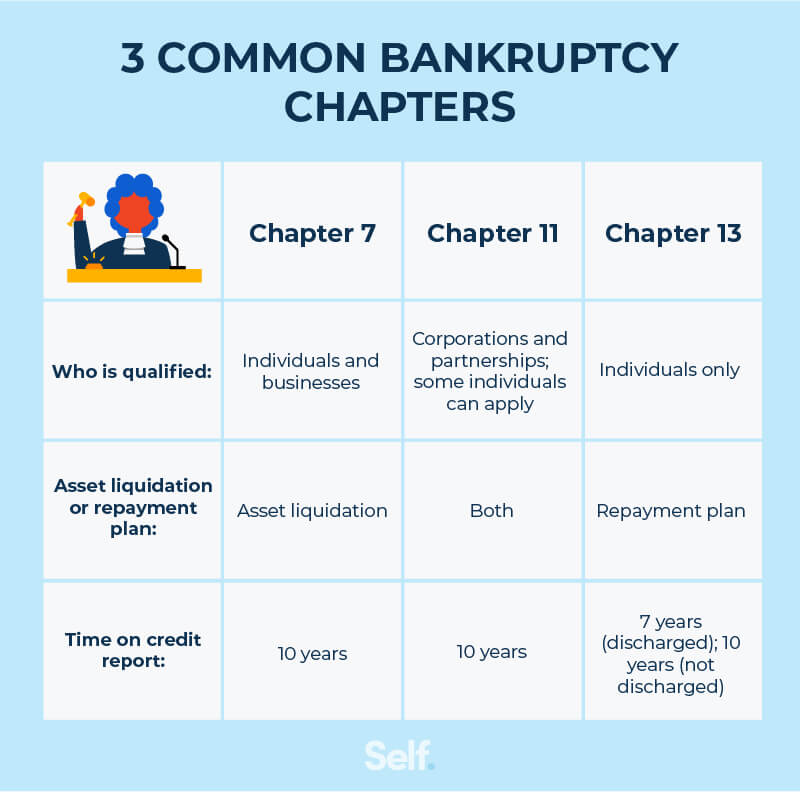
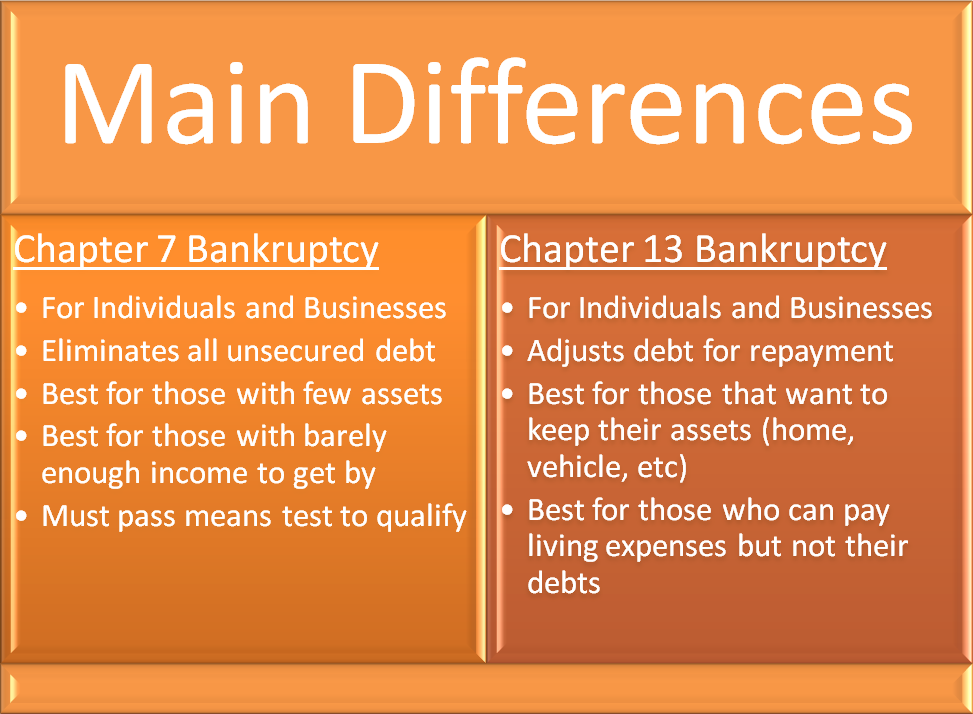
Between Chapter 7 and Chapter 13
Cory Turner added to this story.
(Short Article Updated Jan. 6 and 8, 2026) This article notes federal and state consumer law changes set up to enter into result or end throughout the period from December 1, 2025, through January 1, 2027. Other consumer law modifications will be enacted in 2026 and will enter into impact in 2026; this article lists changes whose effective dates have actually already been scheduled as of December 31, 2025.

Latest Posts

Key Strategies for Bankruptcy
Financial Support for 2026 Chapter 13 Filers
Understanding Bankruptcy Costs in 2026