All Categories
Featured

How to Prevent Garnishments in 2026
That's you. If you are overwhelmed with financial obligation, make certain you consider all financial obligation relief choices and identify what's best for you.
As we go into 2026, the personal bankruptcy landscape is expected to shift in ways that will significantly impact financial institutions this year. After years of post-pandemic uncertainty, filings are climbing steadily, and economic pressures continue to impact customer habits. Throughout a recent Ask a Pro webinar, our specialists, Shareholder Milos Gvozdenovic and Attorney Garry Masterson, weighed in on what lenders need to anticipate in the coming year.
For a much deeper dive into all the commentary and questions responded to, we advise enjoying the complete webinar. The most popular trend for 2026 is a continual boost in insolvency filings. While filings have actually not reached pre-COVID levels, month-over-month development suggests we're on track to exceed them quickly. As of September 30, 2025, personal bankruptcy filings increased by 10.6 percent compared to the previous calendar year.
Long-Term Consequences of Filing
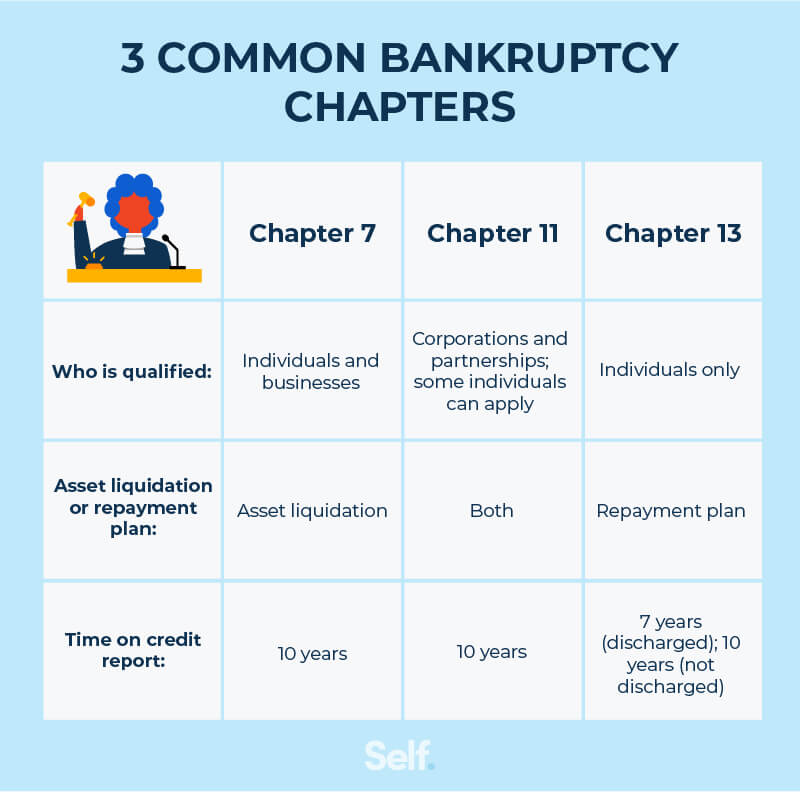
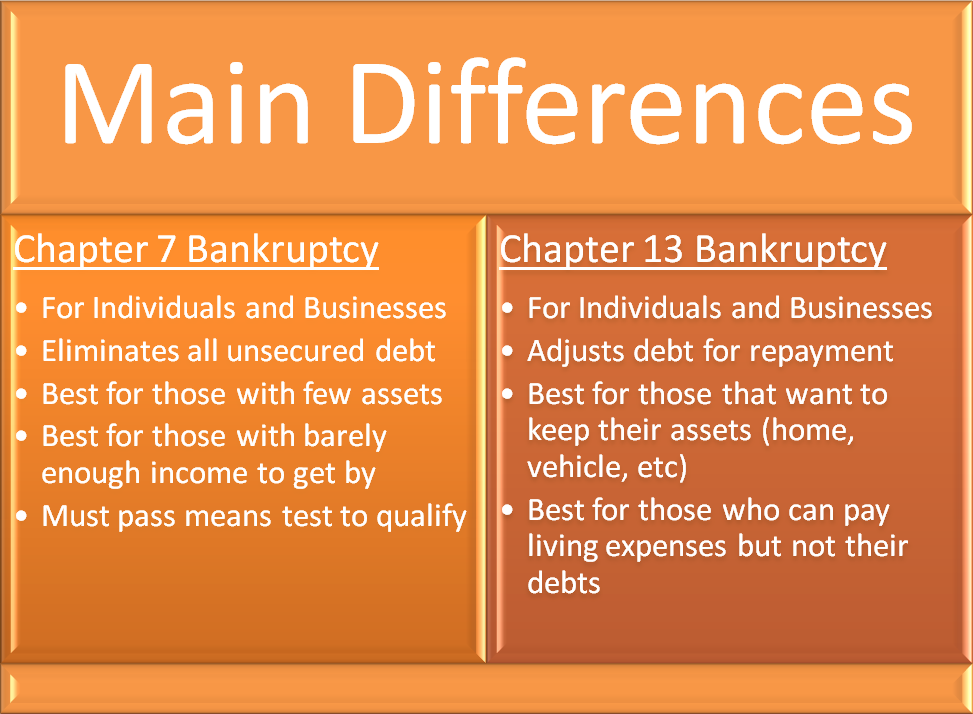
While chapter 13 filings continue to heighten, chapter 7 filings, the most typical type of customer insolvency, are expected to control court dockets. This trend is driven by customers' lack of disposable earnings and mounting financial stress.
You should likewise prepare for increased delinquency rates on auto loans and home loans. It's likewise essential to closely keep an eye on credit portfolios as debt levels stay high.
We forecast that the genuine effect will strike in 2027, when these foreclosures relocate to completion and trigger bankruptcy filings. Rising real estate tax and property owners' insurance coverage costs are already pressing newbie lawbreakers into financial distress. How can creditors stay one step ahead of mortgage-related insolvency filings? Your team ought to complete an extensive evaluation of foreclosure processes, procedures and timelines.
Key Changes in the Federal Bankruptcy LandscapeIn recent years, credit reporting in personal bankruptcy cases has actually become one of the most contentious subjects. If a debtor does not declare a loan, you should not continue reporting the account as active.
Here are a few more finest practices to follow: Stop reporting released debts as active accounts. Resume regular reporting just after a reaffirmation agreement is signed and filed.
Repairing Personal Score After Bankruptcy
Another trend to view is the increase in pro se filingscases filed without lawyer representation. These cases often develop procedural complications for financial institutions. Some debtors may stop working to accurately reveal their assets, income and costs. They can even miss crucial court hearings. Once again, these concerns include complexity to insolvency cases.
Some current college grads may juggle obligations and resort to insolvency to manage total financial obligation. The failure to ideal a lien within 30 days of loan origination can result in a creditor being dealt with as unsecured in bankruptcy.
Our team's suggestions include: Audit lien perfection processes regularly. Keep documents and evidence of timely filing. Think about protective measures such as UCC filings when delays occur. The bankruptcy landscape in 2026 will continue to be formed by financial unpredictability, regulative scrutiny and evolving consumer habits. The more ready you are, the easier it is to browse these challenges.
By preparing for the trends pointed out above, you can reduce direct exposure and maintain operational resilience in the year ahead. This blog is not a solicitation for organization, and it is not planned to constitute legal guidance on particular matters, produce an attorney-client relationship or be lawfully binding in any method.

Latest Posts

Key Strategies for Bankruptcy
Financial Support for 2026 Chapter 13 Filers
Understanding Bankruptcy Costs in 2026