All Categories
Featured


Halt Salary Levies in 2026
Table of Contents
Based on the information offered by your company, the servicer determines the amount that can be legally garnished from your wages. Under federal law, the U.S. Department of Education, or any firm trying to gather a student loan on its behalf, can garnish up to 15% of your non reusable pay if you're in default.
You can keep a quantity that's equivalent to 30 times the existing federal minimum wage per week. Your loan servicer is required to give you 30-days' notification before garnishing your incomes. The Notice of Intent to Garnish should consist of the following information about your rights: your right to request and check copies of your trainee loan records your right to ask for a hearing to present proof that the garnishment ought to not be allowed, and your right to enter into a payment strategy with the loan servicer.
If garnishment happened less than one month after the date of the notification, or if the notification doesn't have the needed information, that is a reason to request a hearing. If the servicer utilized inappropriate procedures, the servicer will have to start over with the right treatments. You can discover in-depth details on dealing with trainee loan debt in, by Amy Loftsgordon and Cara O'Neill (Nolo).
For some types of federal student loans (FFELs), you should request a hearing within 15 days. The appropriate time duration should remain in the garnishment notice. If the due date to ask for a hearing has actually passed, the garnishment will continue. You can still request a hearing, and the garnishment will end if you win your hearing.
Whether the garnishment would enforce a monetary hardship is determined according to your family size, earnings, and expenditures. Other reasons to request a hearing consist of: You don't owe the cash. (For instance, state you have repaid your loan, the loan was forgiven, or there is some other factor that you don't owe the money.) You are currently making payments under a repayment contract.
2026 Debt Relief and Bankruptcy
These consist of discharge since your school closed before you might complete your program, public service loan forgiveness, and discharge for total and permanent impairment.
The quantity of cash that a student loan servicer can garnish from your income is identified utilizing complex rules. Once again, in general, the trainee loan servicer can only collect 15% of your disposable income through garnishment (however you can keep a quantity that's equivalent to 30 times the present federal minimum wage per week).
If your employer is taking too much out of your paycheck, call your loan servicer and demand a correction. The goal of any loan servicer is to set up routine payments on your financial obligation.
Automatic Stay Prevents Wage Garnishment
Voluntary payments have numerous advantages over garnishment: You will not have collection expenses included to your loan, you may be able to improve your credit rating, and you might be able to reinstate eligibility for federal student loans in the future. Federal law says you can't be fired or otherwise struck back against because your salaries have actually been garnished to pay one financial obligation.
Some states offer more protection.
A student loan garnishment is the process of keeping cash from an employee's incomes if they remain in default. You then remit the garnished incomes to the Department of Education. Defaulted government student loan garnishment is just one type. Other types of debts that result in wage garnishments include overdue kid support, overdue taxes, overdue charge card loans, and outstanding medical expenses.
Essential Steps for Filing for Bankruptcy During 2026
Collections resumed in May of 2025. The Workplace of Federal Trainee Help (FSA) will send main student loan garnishment notifications to defaulted borrowers in the Compensation paid or payable for an employee's services can be garnished, consisting of: Wages and salaries Commissions Benefits (e.g., sign-on reward) Periodic payments from a pension or retirement program Individual earnings that can be garnished usually do not consist of tips.

Latest Posts

Key Strategies for Bankruptcy
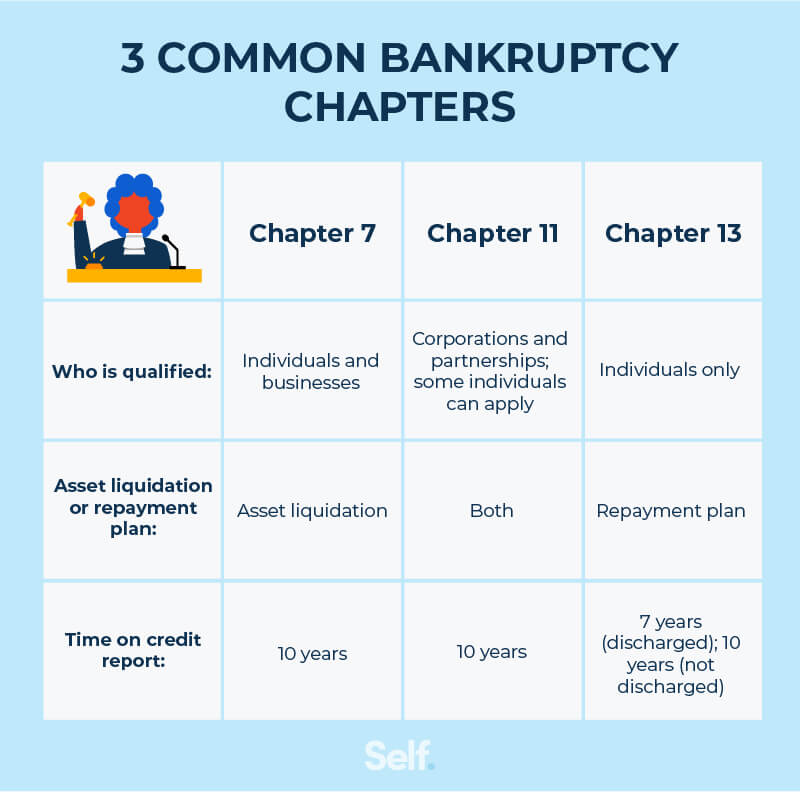
Financial Support for 2026 Chapter 13 Filers
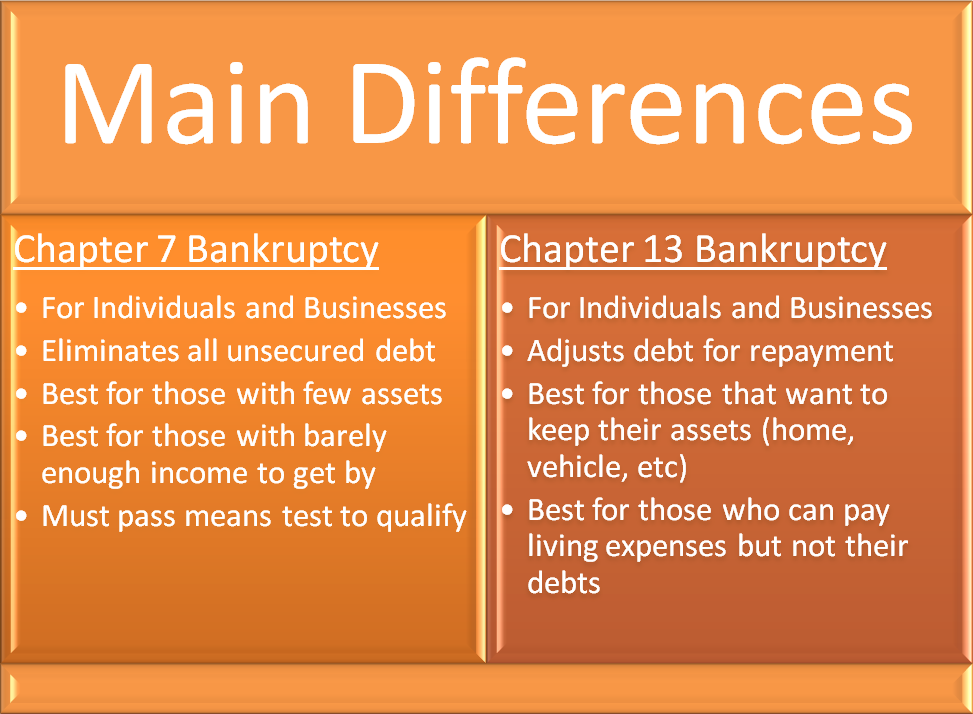
Understanding Bankruptcy Costs in 2026