All Categories
Featured

Essential Bankruptcy Assistance
That's you. If you are overwhelmed with debt, make sure you think about all financial obligation relief choices and identify what's best for you.
As we enter 2026, the bankruptcy landscape is expected to move in ways that will significantly impact creditors this year. After years of post-pandemic uncertainty, filings are climbing gradually, and economic pressures continue to affect customer habits.
The most popular trend for 2026 is a continual increase in personal bankruptcy filings. While filings have not reached pre-COVID levels, month-over-month development suggests we're on track to surpass them soon.
Legal Requirements to File for Bankruptcy
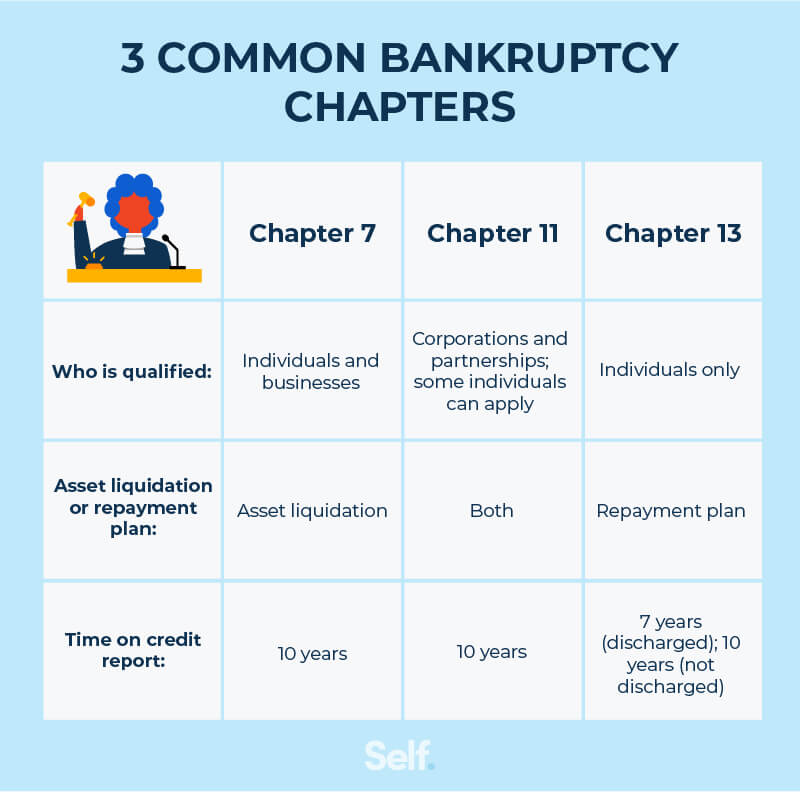
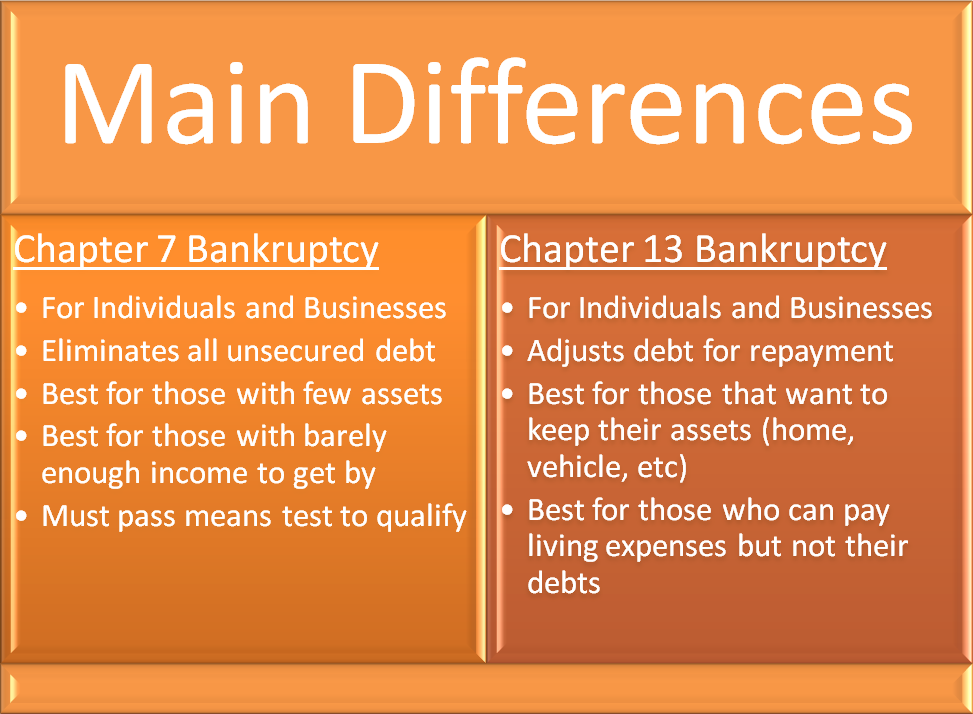
While chapter 13 filings continue to heighten, chapter 7 filings, the most typical type of consumer personal bankruptcy, are anticipated to control court dockets. This trend is driven by customers' lack of non reusable earnings and installing financial stress. Other crucial motorists include: Consistent inflation and elevated rate of interest Record-high charge card financial obligation and depleted savings Resumption of federal trainee loan payments In spite of current rate cuts by the Federal Reserve, rate of interest remain high, and loaning costs continue to climb up.
You must also prepare for increased delinquency rates on car loans and mortgages. It's also important to carefully keep track of credit portfolios as financial obligation levels remain high.
We anticipate that the genuine impact will strike in 2027, when these foreclosures move to conclusion and trigger personal bankruptcy filings. Rising real estate tax and house owners' insurance expenses are currently pressing novice delinquents into monetary distress. How can lenders stay one action ahead of mortgage-related bankruptcy filings? Your group needs to finish a comprehensive review of foreclosure processes, procedures and timelines.
Calculating Allowable Expenses for Debt ReliefIn recent years, credit reporting in personal bankruptcy cases has become one of the most controversial topics. If a debtor does not declare a loan, you ought to not continue reporting the account as active.
Here are a few more finest practices to follow: Stop reporting released debts as active accounts. Resume normal reporting just after a reaffirmation arrangement is signed and filed.
The Impacts of Filing
These cases often produce procedural issues for financial institutions. They can even miss crucial court hearings. Again, these problems include complexity to personal bankruptcy cases.
Some recent college graduates may handle obligations and resort to personal bankruptcy to handle overall debt. The takeaway: Lenders should get ready for more complex case management and think about proactive outreach to debtors facing significant financial pressure. Lien perfection stays a significant compliance danger. The failure to perfect a lien within one month of loan origination can result in a lender being dealt with as unsecured in bankruptcy.
Our group's recommendations consist of: Audit lien perfection processes routinely. Maintain documentation and evidence of prompt filing. Consider protective procedures such as UCC filings when hold-ups occur. The bankruptcy landscape in 2026 will continue to be formed by financial uncertainty, regulative examination and developing customer behavior. The more prepared you are, the easier it is to browse these challenges.
By expecting the patterns discussed above, you can mitigate exposure and keep operational strength in the year ahead. If you have any concerns or issues about these forecasts or other personal bankruptcy topics, please link with our Insolvency Healing Group or contact Milos or Garry directly at any time. This blog is not a solicitation for service, and it is not intended to make up legal advice on particular matters, produce an attorney-client relationship or be lawfully binding in any method.

Latest Posts

Key Strategies for Bankruptcy
Financial Support for 2026 Chapter 13 Filers
Understanding Bankruptcy Costs in 2026