All Categories
Featured

Ending Wage Garnishment With Effective Bankruptcy Support
Table of Contents
California has 4 federal insolvency court districts: Insolvency isn't the best move for everyone. It can be an excellent option if: Your debt is so large you could never realistically pay it off The majority of your financial obligation is the kind that can actually be eliminated (more on that below) Creditors are suing you, garnishing your wages, or threatening to take your home You have actually currently attempted other options and they have not worked It might be an excellent alternative if: The majority of your debt is the kind that can't be cleaned out (like student loans or kid assistance) You have assets you do not want to risk losing Your monetary issues are temporary for example, you just lost a task but expect income soon You just recently received a large quantity of credit or made large purchases Filing for bankruptcy also impacts your credit.
Determine if you can lower your costs, increase your earnings, negotiate lower rates of interest, or sell some home. You might have the ability to make modifications to your scenario to start paying off your financial obligations on your own. Lots of financial institutions would rather work out a payment plan than deal with personal bankruptcy court.
You combine numerous financial obligations into one loan ideally with a lower rates of interest. This doesn't lower what you owe, however it can pay more workable. Not-for-profit credit counseling companies can help you establish a plan to repay your financial obligations, frequently with decreased interest. Search for companies authorized by the U.S
Assessing the Impact of 2026 FilingsYou (or a company in your place) negotiate to pay less than the full quantity owed. financial obligation settlement business frequently charge high costs (often upfront, whether or not they settle your financial obligation), and settled debt can count as taxable earnings. If you have really little income and practically no possessions, financial institutions may not be able to gather from you anyhow.
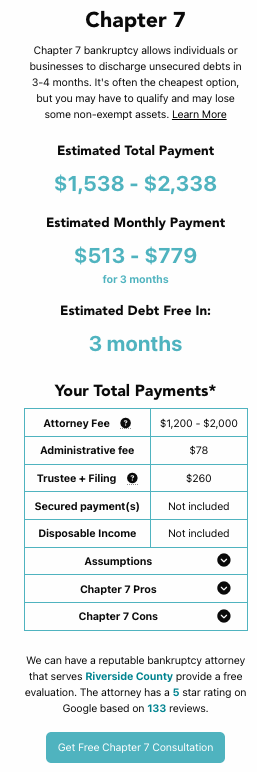
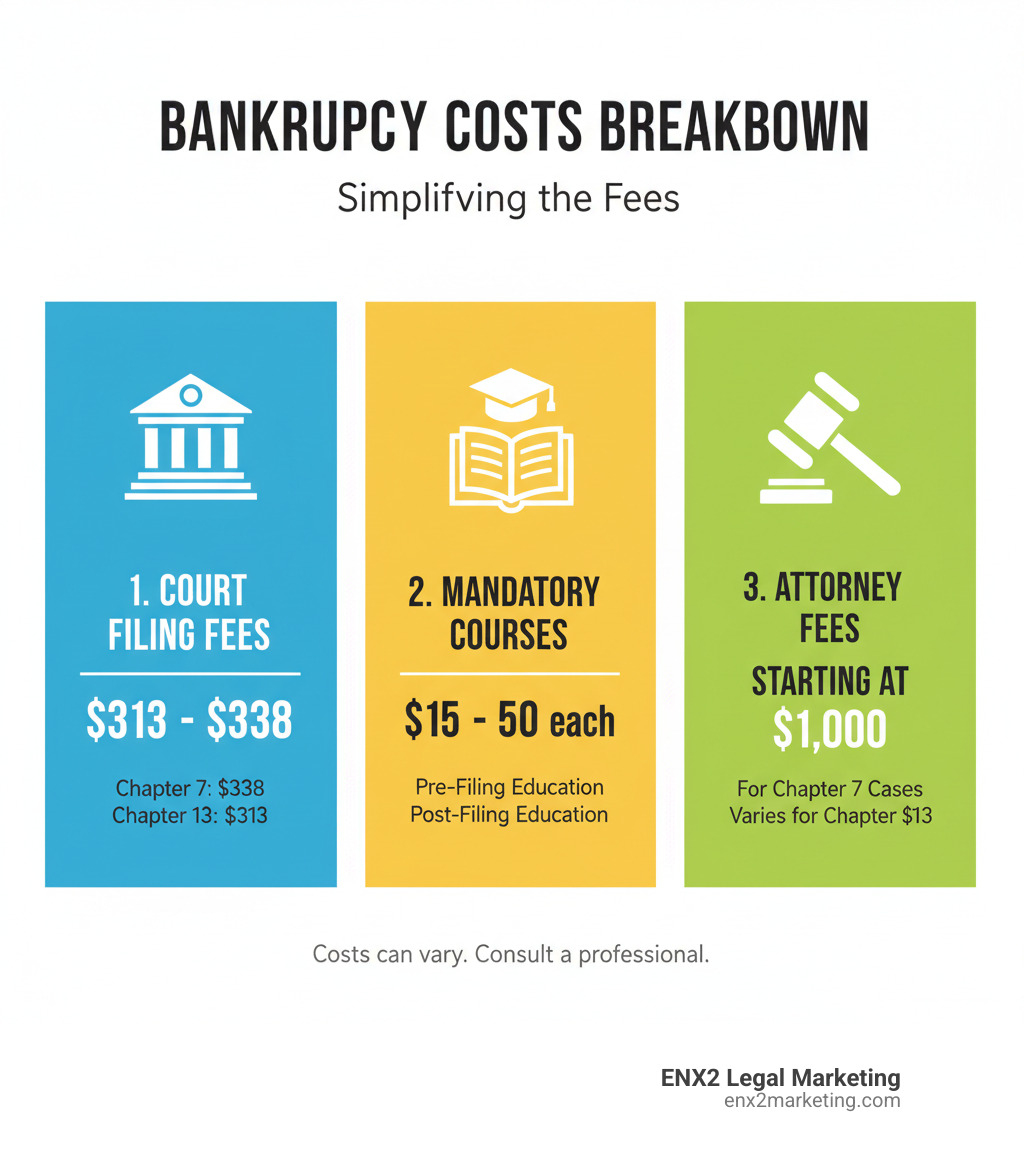
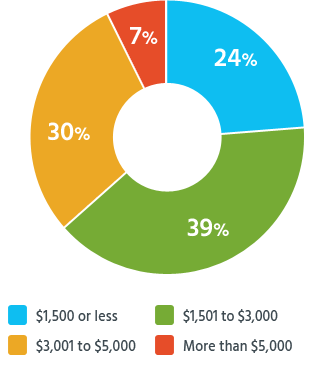
Understanding Current Legal Attorney Costs
Insolvency does eliminate all debts. Some of the most common debts that you can not get rid of in insolvency are: These endure bankruptcy.
Current earnings tax debts typically can not be wiped out. Some older tax financial obligations might qualify, however the rules are complicated. Typically, incomes, salaries, and commissions you owe to employees are given priority status in bankruptcy, which indicates they get paid before many other lenders.
Assessing the Impact of 2026 FilingsIf you triggered injury or death while driving under the influence, that debt typically survives. If a creditor can prove you lied or dedicated fraud to get credit, that debt likely won't be eliminated. Fines or charges owed to a federal government firm (like regulative penalties, court fines, or charges imposed as penalty) are usually not dischargeable in bankruptcy.
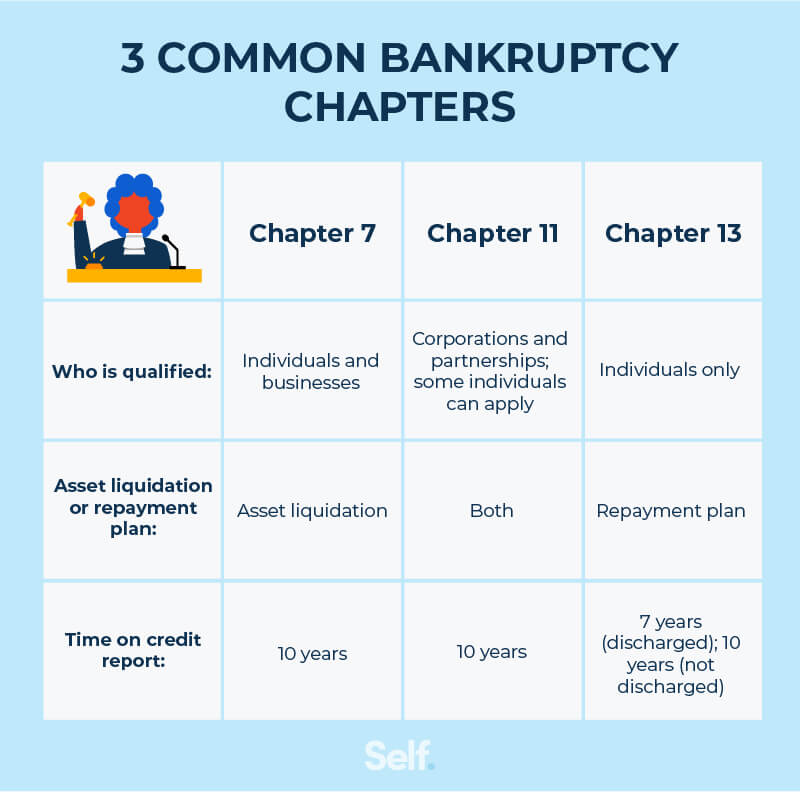
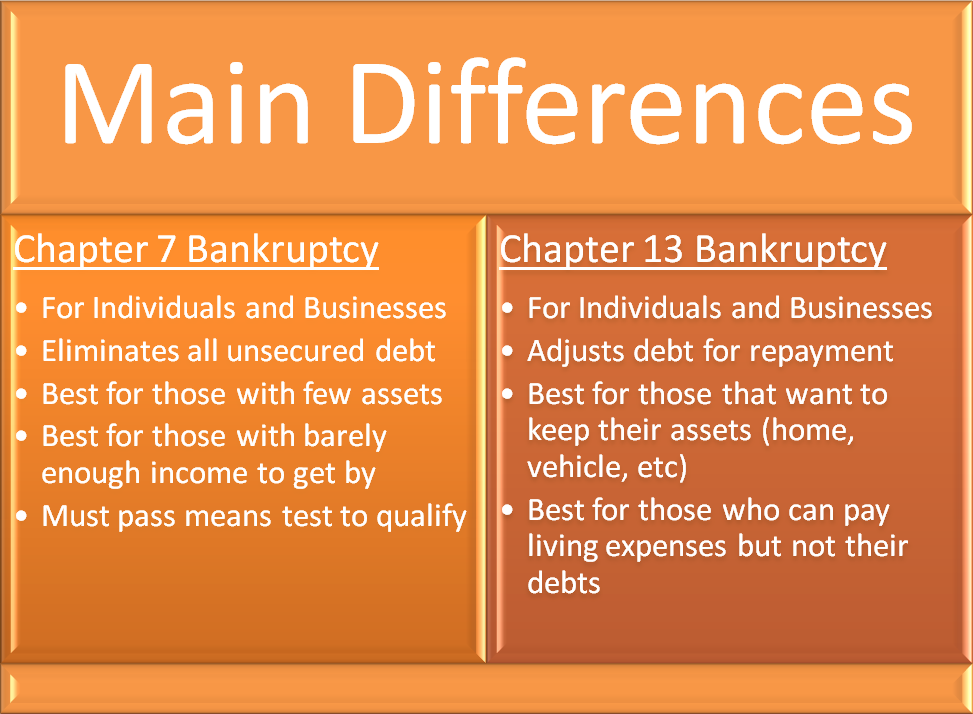
If you have any of these kinds of debt, you may desire to speak with a personal bankruptcy attorney for more information. There are four common sort of insolvency cases, named by the chapter of the federal Personal bankruptcy Code that describes them. It is the most typical type for people. It eliminates most unsecured financial obligations like charge card and medical bills relatively rapidly, generally within 3 to 6 months.
California has exemptions that protect certain home, like a portion of your home equity, a car as much as a specific value, and fundamental household items. You should make less than a particular quantity of money to qualify You should have gotten credit therapy from an approved credit therapy firm in the last 6 months.
Steps to Initiate Bankruptcy Legally in 2026
It is a payment plan for people with routine income who have residential or commercial property, like a home they want to save from foreclosure, or who don't quality for Chapter 7. It is likewise beneficial if you have debts that can't be discharged in Chapter 7 however can be managed gradually.
The debtor typically keeps their assets and continues to run the business while working on a plan to pay off the creditors. This type is a customized type of bankruptcy specifically for family farmers and family anglers with routine earnings. The debtor keeps their home and exercises a repayment strategy with the lenders.
Choosing to apply for insolvency is a big choice. It can impact you for a long period of time and it does not remove all types of debt. Any error in your case might indicate the court can dismiss your case. Considering that personal bankruptcy is a customized area of law that is very complex, it is an excellent idea to get recommendations from an insolvency attorney.

Latest Posts

Key Strategies for Bankruptcy
Financial Support for 2026 Chapter 13 Filers
Understanding Bankruptcy Costs in 2026