All Categories
Featured
Comparing Chapter 7 and Chapter 13 Options
Table of Contents
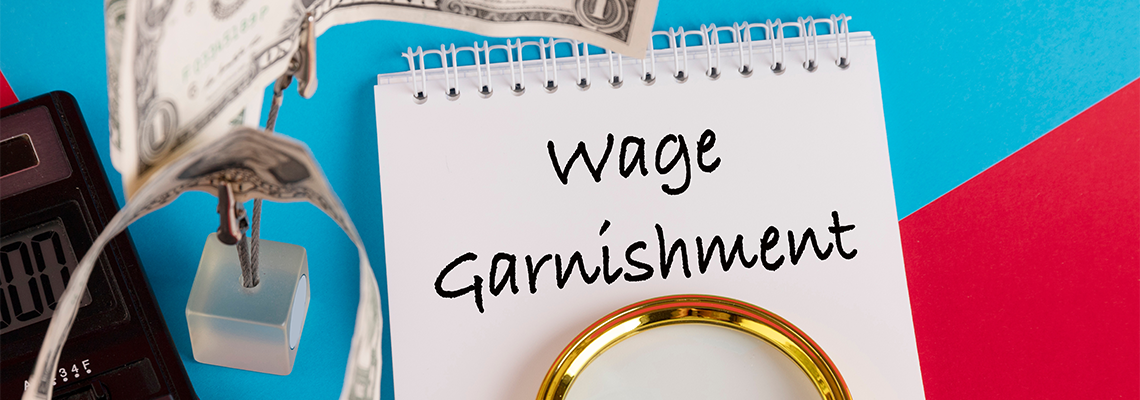
Disposable profits is specified as the amount of revenues left after federal, state, and regional tax deductions and any other lawfully needed reductions (e.g., compulsory retirement withholdings). State a worker's non reusable profits are $2,000. You can only garnish as much as $300 ($2,000 X 0.15) per pay duration for student loan withholding.
No. Under Title III of the Consumer Credit Security Act (CCPA), you can not release a worker whose earnings go through garnishment However, the CCPA does not safeguard staff members whose profits go through two or more garnishments. You should start garnishing an employee's incomes when you get a trainee loan garnishment order.
You can quickly set up a wage garnishment in Patriot's payroll software. You are accountable for remitting garnishments to the appropriate firms.
How the Automatic Stay Prevents Wage Garnishment
The U.S. Department of Education (the Department) today announced that it will delay the execution of uncontrolled collections on federal student loans, including Administrative Wage Garnishment (AWG) and the Treasury Offset Program (TOP). The momentary delay will make it possible for the Department to execute significant student loan payment reforms under the Operating Families Tax Cuts Act (the Act) to give debtors more options to repay their loans.
The Act decreases the variety of federal student loan payment plans, eliminating a confusing labyrinth of choices and making it easier for borrowers to select either a single standard payment plan or income-driven payment (IDR) strategy that best satisfies their requirements. This includes a new IDR plan that waives unsettled interest for borrowers with on-time payments whose payments do not fully cover accrued interest, and that consists of little matching payments from the Department in specific circumstances to make sure that outstanding principal is lowered monthly.
The delay in collections will give defaulted borrowers extra time to assess these new payment alternatives once they combine their loans or finish a repayment or rehab arrangement. The Act likewise provides customers a 2nd opportunity to rehabilitate a defaulted loan, allowing them to get their payments back on track and get the loan out of default.
The delay in collections will give defaulted customers extra time to begin the rehabilitation process, including the ability to restore their loan a 2nd time. "After the Biden Administration deceived debtors into believing their student loans would not need to be repaid, the Trump Administration is committed to helping student and moms and dad debtors resume routine, on-time payment, with more clear and cost effective options, which will support a more powerful financial future for debtors and boost the long-lasting health of the federal student loan portfolio," "The Department determined that uncontrolled collection efforts such as Administrative Wage Garnishment and the Treasury Offset Program will work more efficiently and fairly after the Trump Administration carries out substantial enhancements to our damaged student loan system." Throughout the hold-up, the Department encourages debtors in default to explore their alternatives for resolving their defaulted student loans with the defaulted federal loan servicer.
The Trump administration will resume garnishing wages from trainee loan borrowers in default in early 2026, the U.S. Education Department verified to NPR. The relocation comes after a years-long pause in wage garnishment due to the pandemic. "We expect the first notifications to be sent to roughly 1,000 defaulted debtors the week of January 7," a department spokesperson told NPR.
Expert Bankruptcy Support to Cease Wage Garnishment
A debtor is in default when they have not made loan payments in more than 270 days. When that occurs, the federal government can try to gather on the debt by taking tax refunds and Social Security advantages, and also by ordering a company to keep up to 15% of a borrower's pay.
Betsy Mayotte, the president and creator of The Institute of Student Loan Advisors, says even though customers have actually expected this, the timing is regrettable. "It will coincide with the boost in health care expenses for a lot of these defaulted debtors," she stated, describing the premium increases for Affordable Care Act health insurance that kick in in 2026.
Another 3.7 million are more than 270 days late on their payments and 2.7 million remain in the early phases of delinquency. "We have actually got about 12 million customers right now who are either overdue on their loans or in default," Preston Cooper, who studies student loan policy at AEI, told NPR.
Chapter 7 and Chapter 13 Paths
Cory Turner added to this story.
(Post Updated Jan. 6 and 8, 2026) This post notes federal and state consumer law changes set up to enter into impact or end throughout the period from December 1, 2025, through January 1, 2027. Other consumer law changes will be enacted in 2026 and will enter into impact in 2026; this article notes modifications whose efficient dates have already been scheduled since December 31, 2025.

Latest Posts

Key Strategies for Bankruptcy
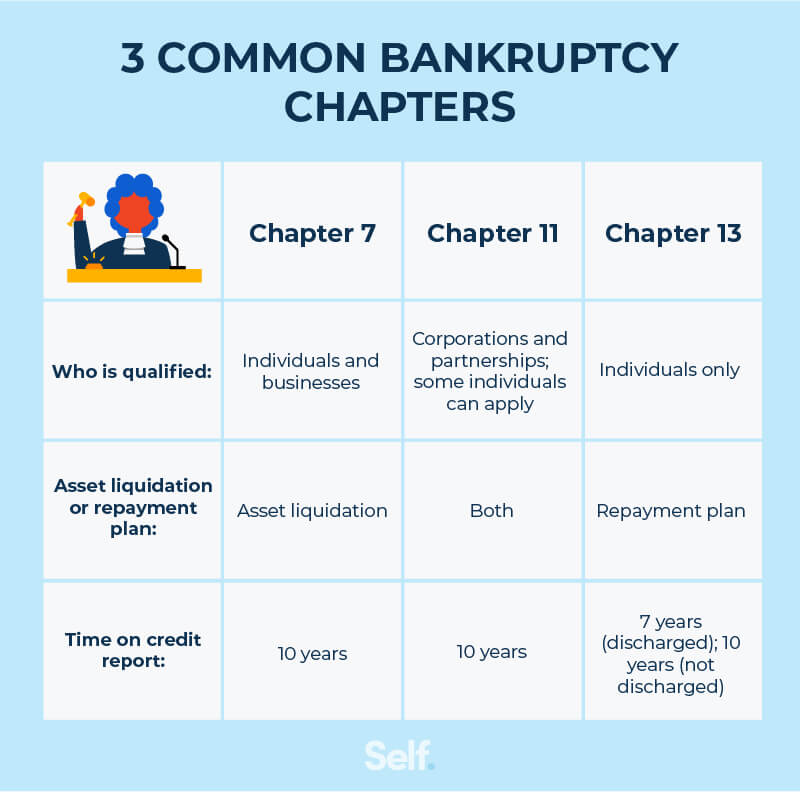
Financial Support for 2026 Chapter 13 Filers
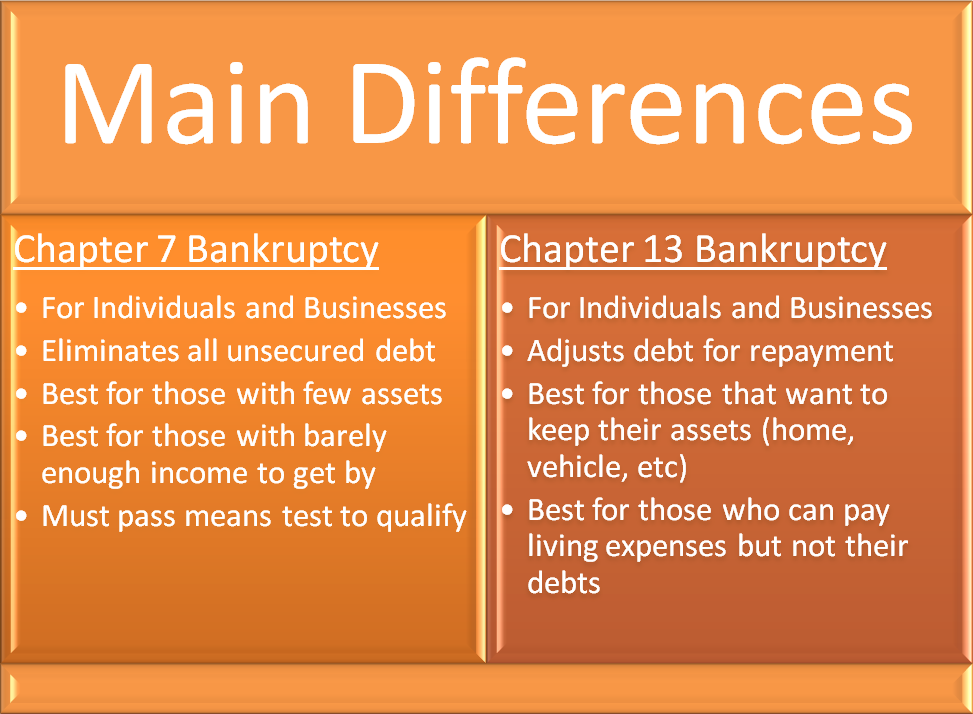
Understanding Bankruptcy Costs in 2026