All Categories
Featured


Calculating Bankruptcy Lawyer Costs for 2026
The five states with the most bankruptcy petitions in 2025 accounted for about 34% of the 574,314 filings in 2025. The five states with the highest variety of personal bankruptcies in 2025 were: Many aspects enter into why somebody files for personal bankruptcy. It's typically an ideal storm of problems that suggestions someone over the edge.
, both the expense of the expenses, as well as missing out on work due to the fact that of medical problems. The Kaiser Family Foundation found that 41% of U.S. locals have some sort of medical financial obligation, including on credit cards or owed to a family member; 24% were thinking about bankruptcy to fix a medical financial obligation concern.
Life modifications can also interrupt a tight budget, like divorce or having to take care of a member of the family, which can both add to costs and have an influence on earnings. No government firm keeps consistent statistics about the demographics of insolvency filers, but studies over the years have found several consistent trends: people who apply for individual bankruptcy are most likely to not have a college degree, be middle class, be female, single, and middle-aged or older.
The mean age of those declaring personal bankruptcy is 49, the Consumer Personal bankruptcy Task found. [Average ways half are older, half younger] In the last 20 years, the variety of people 65 and older declare insolvency has increased to become its fastest-growing demographic group, the CBP found. The age group has increased from 4.5% of insolvency filers in 2001 to 18.7% by 2022.
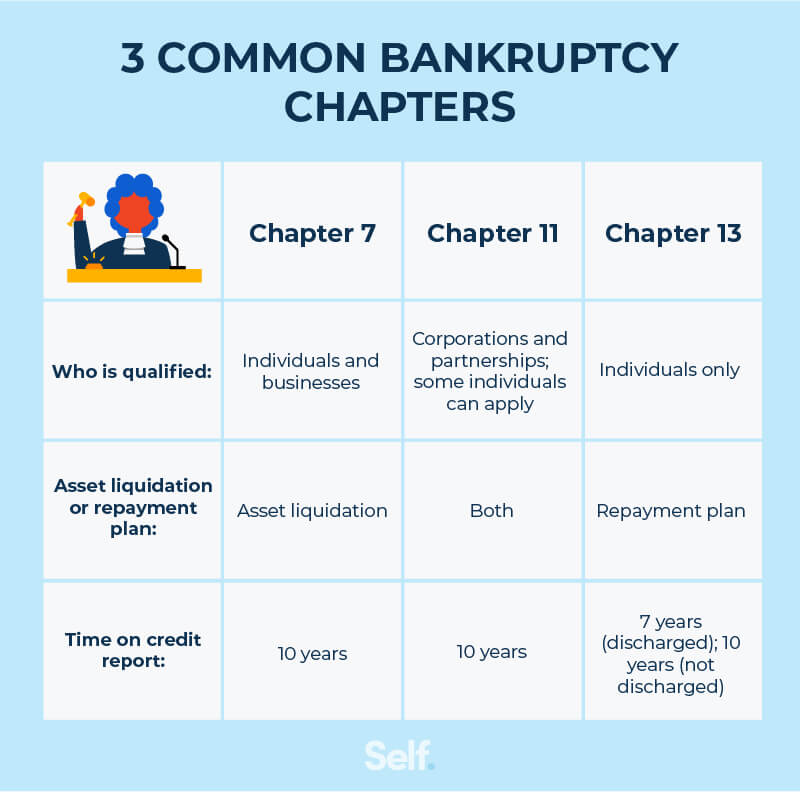
In 2023, 35% of 179,936 Chapter 13 filers reported that they 'd filed an insolvency petition during the previous eight years., 54%, followed by Utah at 52%.

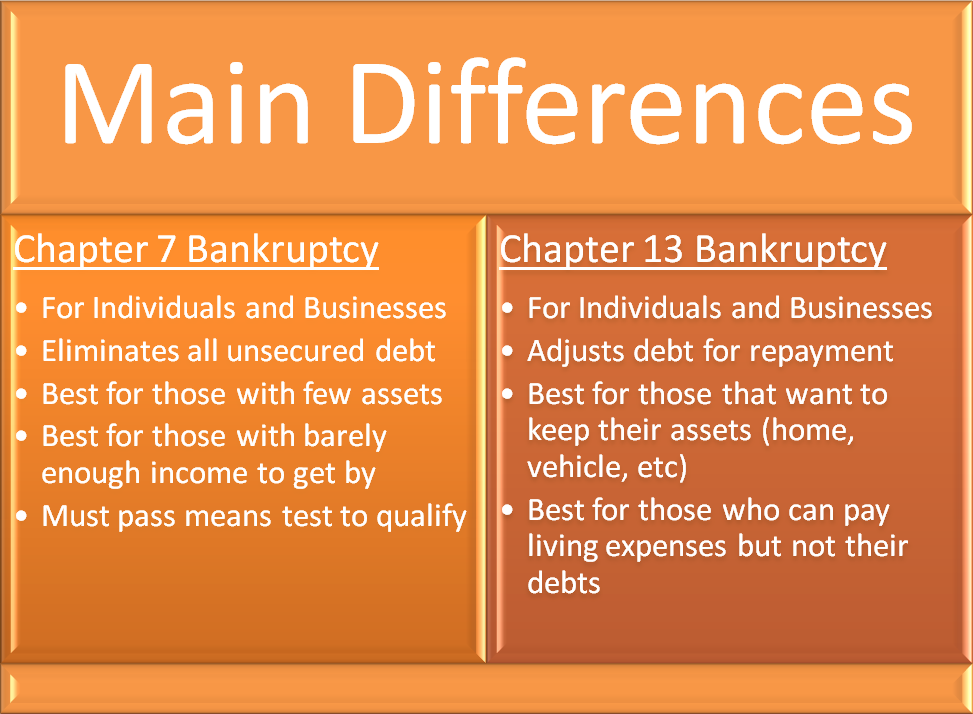
Is Liquidation Right for Your Needs?
The U.S. Bankruptcy Court doesn't provide data on how many individuals submitting Chapter 7 are repeat filers, but a current research study found that as numerous as 46% of those declaring insolvency may have filed some time in the previous thirty years. There is no limitation to the number of times an individual can declare insolvency, but there are required waiting periods in between filing.
Strategic 2026 Bankruptcy Advice and StrategiesSingle women comprise about 33% of those filing for bankruptcy; they've been the largest group for the previous 2 years, according to CBP. The number consists of widows, women who have actually never married, and separated ladies. About 15% of filers are single men. The staying number of those who file are wed or partnered.
People filing for insolvency, on average, are high school graduates, have some college education however are less most likely to have a degree than the basic population. About 25% of those who declare insolvency have trainee loan debt. It's an added concern previous trainees, as many as 40%, who weren't able to graduate and gain the monetary advantages of a degree but still need to pay the financial obligation.
The U.S. Department of Justice reported in 2024 that 98% of cases filed that qualified had achieved success since the brand-new rules were put in location. Mean gross household earnings for insolvency filers in 2019 was $35,000-$70,000, according to the CBP. The research study explains that's listed below the nationwide median, however above the poverty line.
Is Liquidation Best for Your Debts?
Insolvency filers tend to be overburdened with credit cards, vehicle loans, home loans, student loans, payday loans, medical and other financial obligation. Those filing for insolvency who have a four-year college degree make a typical 62% of what the basic population with the exact same education level earn. About 50% of families are getting in insolvency on the heels of a legal action, including foreclosure, automobile foreclosure, or wage and bank account garnishment, according to CBP.
Nobody is unsusceptible to severe financial difficulties. If you find yourself having a hard time financially, consider debt settlement and financial obligation consolidation before turning to personal bankruptcy. All individuals who are thinking about applying for insolvency are needed to speak with a credit therapist before they submit. The purpose is to identify whether there is a better alternative than filing for bankruptcy.

Latest Posts

Key Strategies for Bankruptcy
Financial Support for 2026 Chapter 13 Filers
Understanding Bankruptcy Costs in 2026